
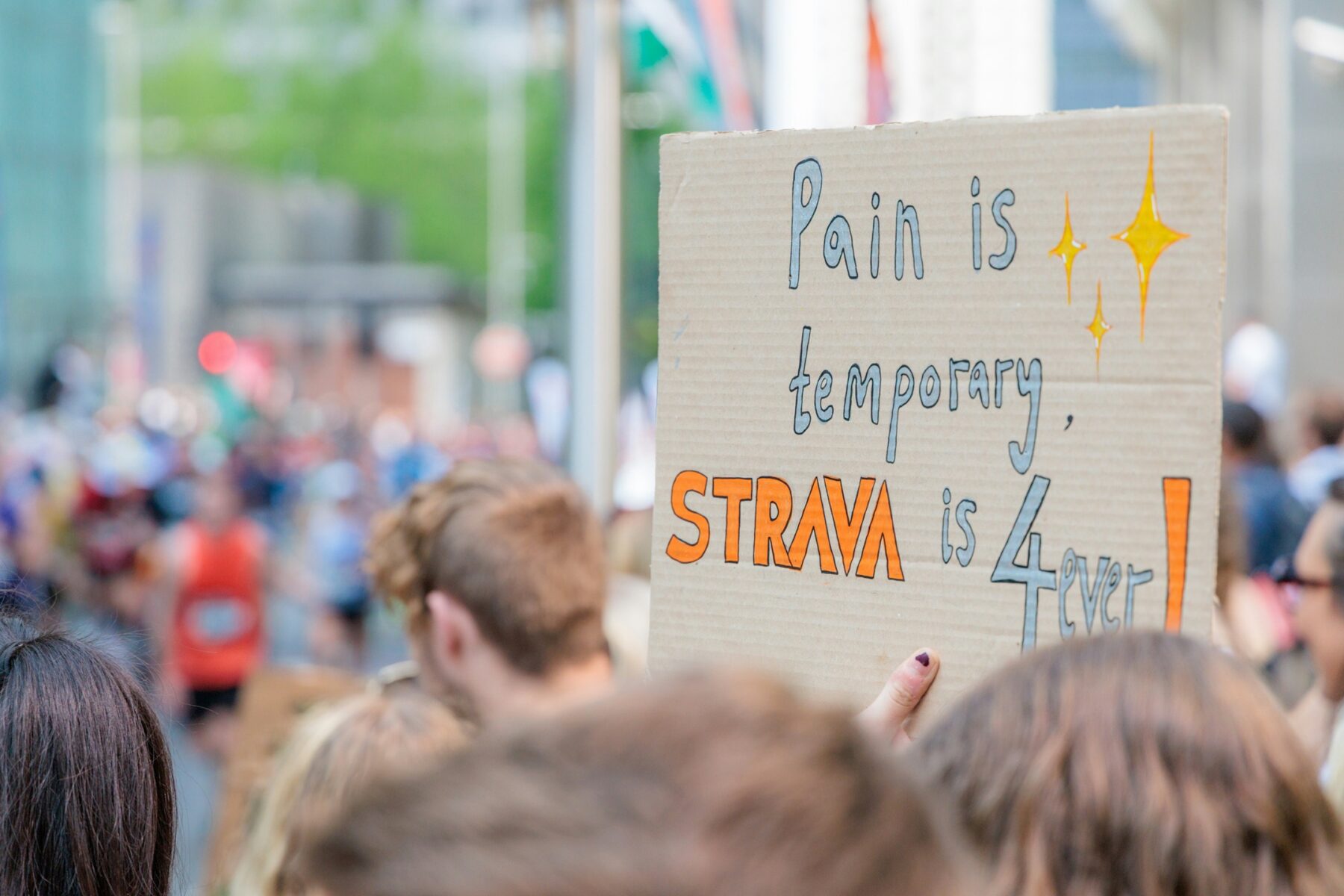
It started with Strava. I downloaded the app to track my runs and bike rides. That’s what I told myself at least. I also wanted to use it to show off how much work I was doing because my peers are on Strava and they’d think it was badass if I did something badass. And what’s the point of being a badass if nobody else knows?
After a few months, I graduated to a Fitbit. Actually, it was more like dual enrollment because if one way of measuring my runs was good, two were better. Plus, I wanted to know my heart rate and my sleep score and my VO2 max and my HRV, even though I barely understand what they mean. And at least as much as I wanted to know those numbers, I wanted to talk about them, by which I mean brag about them.
My gosh, try to imagine time-traveling here from the 1980s and listening to the conversations in our running, biking, and fitness crews. Do we even hear ourselves? Does anyone actually care about anyone else’s heart rate and sleep score and VO2 max and HRV?
These numbers are ultimately meaningless and often inaccurate, and yet we do everything in our power to make them seem better. Not be better. Seem. Who among us hasn’t paused their watch at a stoplight? Those seconds should not count if we’re not running, amirite? Dear reader, I speak truth in love: It’s a Tuesday morning in November! There is absolutely no reason to care about those seconds!
We’re so busy trying to seem fit, we’ve forgotten the point of being fit. We’re so busy tracking and optimizing and measuring, we’ve forgotten to have fun.
I call this The Perils of Stravanity.
We can’t just go for a long run. We have to go for a long run and share it, comment on it, study the fluctuations in our heart rates like a cardiologist, and analyze our speed in each section like it’s the Zapruder film. We have to chase the record on our favorite stretch of greenway and wonder how that liar from the next neighborhood over cheated to set that blazing-fast mark.
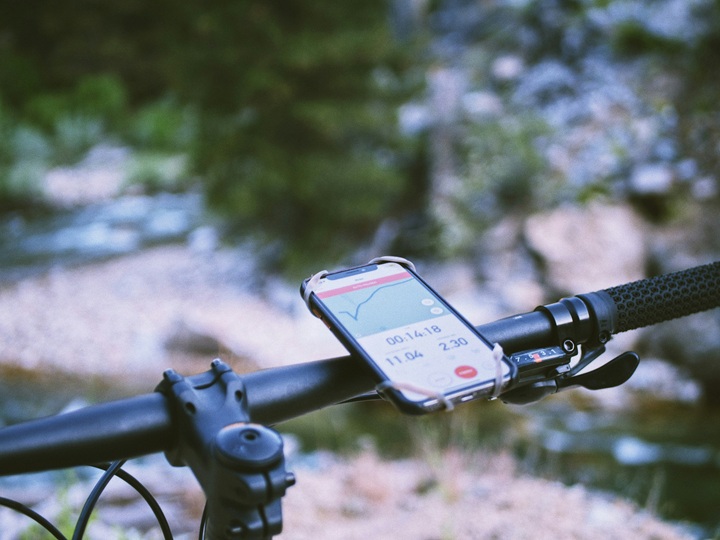
There is good, of course, in setting goals and timing yourself to prove you reached them. There is good, of course, in getting faster, running farther, and being better today than you were yesterday. A device helps you know that all of that is true. But eventually I allowed those numbers to matter too much. The numbers became the point.
I’m trying to move past that. Instead of asking, “What was my time?” I want to ask, “How do I feel after a run?” Instead of asking, “Did I set a PR?” I want to ask, “Did I enjoy myself?”
A watch can’t answer those questions. My heart can, and it has nothing to do with how many times it beats per minute.
After years of buying devices, ditching them because they expose my vanity, swearing them off forever, and then buying a new one…I’ve finally cut the cord. For good. I think. I don’t know how many steps I’ve taken in the last month, how far I ran with my daughter last week, or what my top speed was on my bike during a hard ride the other day.
And I’m better off for it.
Even if I’m slower.
Which I don’t know.
Which is the point.
Because I had fun, and it was good for me, regardless.