
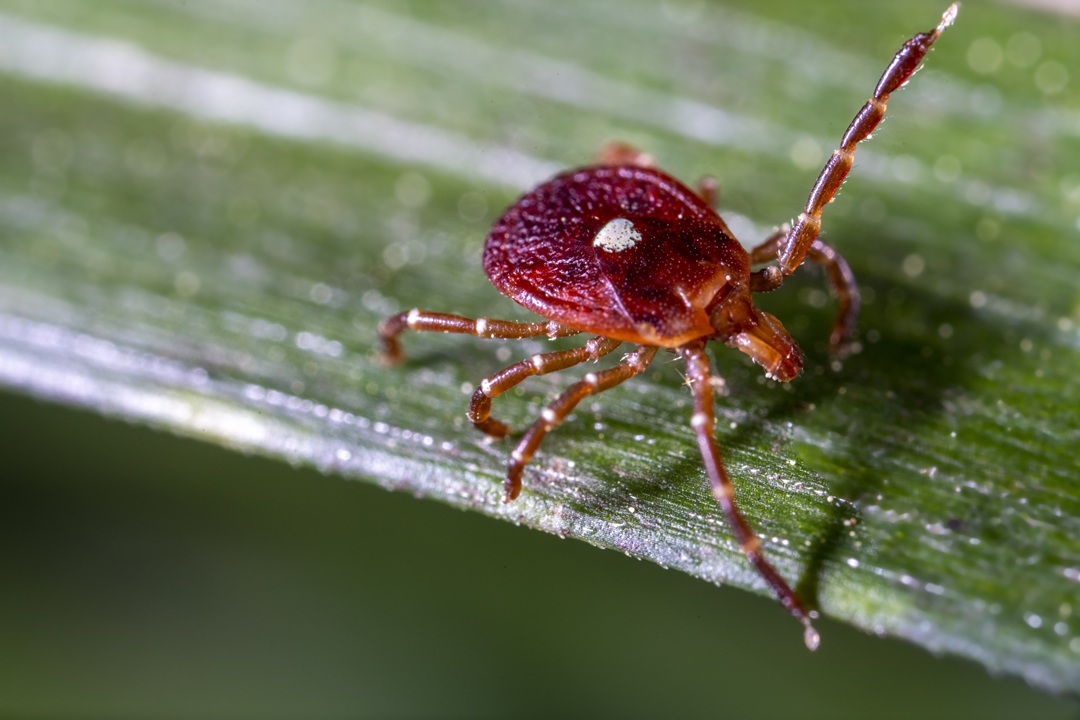
Kristen Strange remembers waking up in a tent at Klondike Park near Augusta, Missouri, with a tick embedded in her wrist. She still has a scar. At the time, in 2019, it seemed like little more than an annoyance for someone who spends her life outdoors — trail running, horseback riding, hiking, and camping.
She had no idea that bite would eventually rewrite her relationship with food.
Two years later, after a string of confusing symptoms that doctors attributed to irritable bowel syndrome and a dairy sensitivity, Strange decided to try eating pork for the first time in more than 20 years.
“That night, we realized something was seriously wrong,” she says. “I started feeling very itchy and noticed hives breaking out on my neck and chest. I started coughing and became wheezy. It was hard to breathe. By the time it was all said and done, I took six Benadryl and hoped I would wake up in the morning. When I did, I still had lingering symptoms for the next day or two. And a serious Benadryl hangover.”
In 2021, Strange was diagnosed with alpha-gal syndrome, an allergy to red meat and other mammalian products triggered by the bite of a lone star tick. Her experience offers a window into a condition that’s changing how some outdoor enthusiasts think about the woods — and the dinner table.
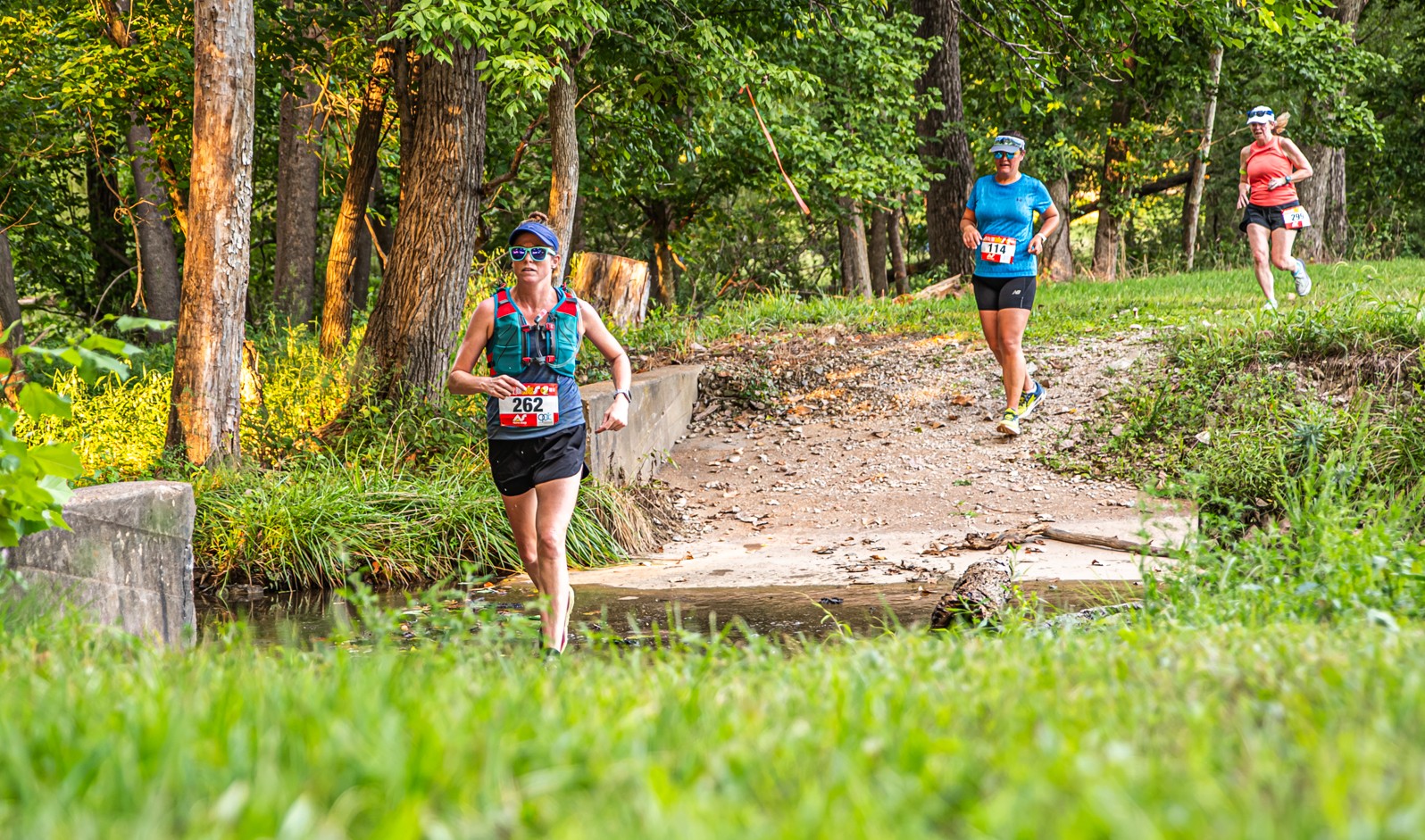
Missouri: An Alpha-Gal Hot Spot
Alpha-gal syndrome is unusual in that it often develops in adulthood, and unlike most food allergies, its trigger isn’t food.
“Alpha-gal syndrome is a food allergy caused by a tick bite,” says Dr. Benjamin Casterline of University of Missouri (MU) Health Care, who studies the condition. “It seems like tick exposure over time leads to development of this food allergy.”
Alpha-gal is a sugar molecule found in nearly all mammals except humans and some primates. Lone star ticks can expose people to the molecule through their saliva, prompting an immune response that, in some people, develops into an allergy.
Once that happens, reactions may extend beyond red meat to other foods, ingredients, and medical products derived from mammals.
The risk to Missourians is real and worth taking seriously.
“Missouri is considered a hot spot for the lone star tick, which can trigger alpha-gal syndrome,” says Eden Stewart, an MU Extension nutrition and health specialist. “Some research suggests that a significant portion of Missourians may carry antibodies linked to this condition.”
Casterline says blood testing supports that observation, though a positive test doesn’t necessarily mean someone has the syndrome.
“If you screened 100 Missourians, the data shows now that at least 25 out of 100 would have that alpha-gal IgE antibody,” he says. “But many of those people, as far as we understand, do not have alpha-gal syndrome. They’re not expressing any symptoms.”
Symptoms That Don’t Add Up — At First
One challenge of diagnosing alpha-gal syndrome is the delay between eating a trigger food and experiencing a reaction. Unlike many common food allergies, which can cause symptoms within minutes, alpha-gal reactions typically occur two to six hours after eating — sometimes in the middle of the night.
Symptoms vary widely. They can include hives, nausea, vomiting, diarrhea, abdominal pain, headaches, joint pain, fatigue, and brain fog. In severe cases, a reaction can lead to anaphylaxis, a potentially life-threatening emergency.
“The symptoms are extremely variable,” Casterline says. “They seem to vary quite a lot between people, and even within the same person. Eating a hamburger one day might make them sick, and the next day it might not.”

That unpredictability contributed to Strange’s delayed diagnosis. Her symptoms had been attributed to irritable bowel syndrome and a dairy sensitivity until her allergist connected her outdoor lifestyle with her test results and ordered an alpha-gal IgE blood test.
“It just kind of made sense,” Strange says.
Even then, Casterline emphasizes that a blood test alone cannot confirm or rule out the condition. Doctors must consider a person’s symptoms and whether they follow a consistent pattern of reactions to mammalian products.
“It’s ultimately a clinical diagnosis,” he says. The blood test is “a helpful confirmatory test, but it doesn’t prove that you have alpha-gal syndrome. It doesn’t prove that you don’t.”
More Than a Meat Allergy
Living with alpha-gal syndrome can mean avoiding beef, pork, venison, and other mammalian meats. Some people also react to dairy, gelatin, or other mammal-derived ingredients in food and medical products.
Strange is among those who react to dairy, adding another layer of complexity when eating out.
“Because people put butter on everything,” she says.
She’s learned to double- and triple-check restaurant orders, even when a meal seems safe.
“In the past, I’d order a vegan black bean burger or something like that, and it would come out, and they would put butter on the bun, because people don’t think, well, that’s dairy,” she says.
Medications can require similar scrutiny. Some gel capsules contain gelatin, for example, which may be a problem for people who react to it.
Strange can’t take Benadryl gel caps, only tablets or quick melts. “I have to be careful of what allergy meds I take, too,” she says, “because they can just make things worse.”
There is currently no cure for alpha-gal syndrome. Avoiding known triggers and preventing additional tick bites are central to managing it. Casterline also points to Xolair, a medication approved for certain food allergies, as a treatment that may help some patients reduce the risk of severe reactions.
“It’s not a cure,” he says. “It doesn’t necessarily make it safe for them to eat red meat again. It just reduces their likelihood of having a dangerous reaction if they were to be exposed unknowingly.”
Preventing Tick Bites
Avoiding tick bites is the most effective way to reduce the risk of developing alpha-gal syndrome.
Josh Hendershott, founder of the Columbia-based outdoor gear company Pike Trail, says one common misconception is that ticks drop from trees.
“They don’t fall from trees or anything like that,” Hendershott says. “They come from the grass up, and they stick their front arms out, and they try to latch onto something.”
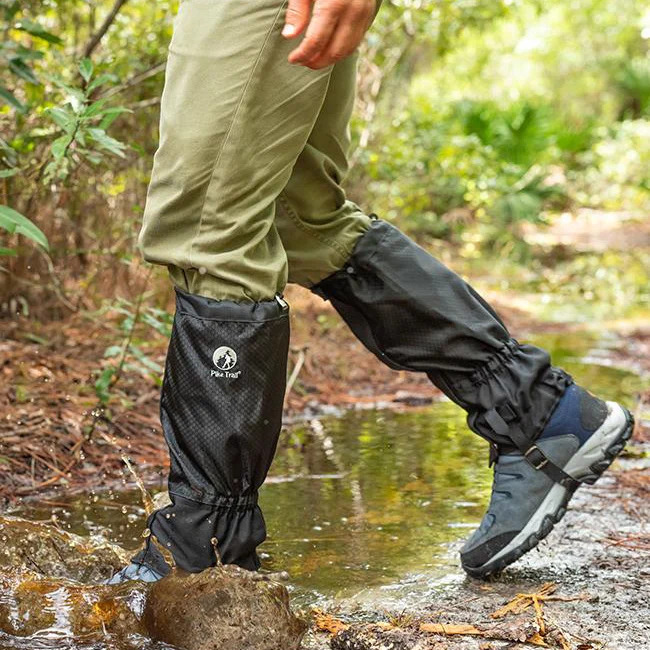
Protect your lower body by closing gaps between pant legs and shoes, tucking pants into socks when appropriate, and considering clothing treated with permethrin, an insecticide that kills ticks on contact.
By next spring, Pike Trail will have a full line of tick-proof permethrin gear — including socks, base layers, and leg gaiters — that retains its effectiveness for up to 70 washes.
After spending time outdoors, check yourself, your clothing, and your gear for ticks. If you find an attached tick, MU Extension recommends using tweezers to grasp it as close to the skin as possible and pulling upward with steady, even pressure. Avoid twisting or jerking the tick, and don’t use heat, alcohol, or lighter fluid to remove it. Clean the bite area and your hands afterward.
Strange offers another piece of advice for people newly diagnosed with alpha-gal syndrome: Be cautious about taking medical advice from social media, which she says fueled her anxiety early on, and always carry antihistamines.
“Have drugs on you, and know your body,” she says. “Typically, your body gives you some sort of signal that something isn’t right, and if you can catch it soon enough, then great.”
Her reactions have become less severe over time, she says, although she still tests positive for alpha-gal antibodies.
“I think so often people live in fear, and you can’t live your life in fear. Just figure out how to prevent what you can and treat what you can’t.”
Back on the Trail
Despite her diagnosis, Strange never stopped going outside. If anything, she says, it’s other people’s fear of alpha-gal syndrome that sometimes gives her pause — not her own.
“I don’t worry as much about me getting bit by a tick again as I do other people,” she says.
She and her fiancé still camp, hike, and spend most weekends in the woods. Greater awareness has made daily life easier, too. More people recognize alpha-gal syndrome by name, which means fewer blank stares at restaurants when she explains her dietary restrictions.
That balance — respect without retreat — is the message Casterline hopes readers take away.
“I love Missouri. This is a beautiful state. I’m outside all the time,” he says. “It’s not being afraid of the risk. It’s recognizing the risk and taking the appropriate precautions to reduce it.”